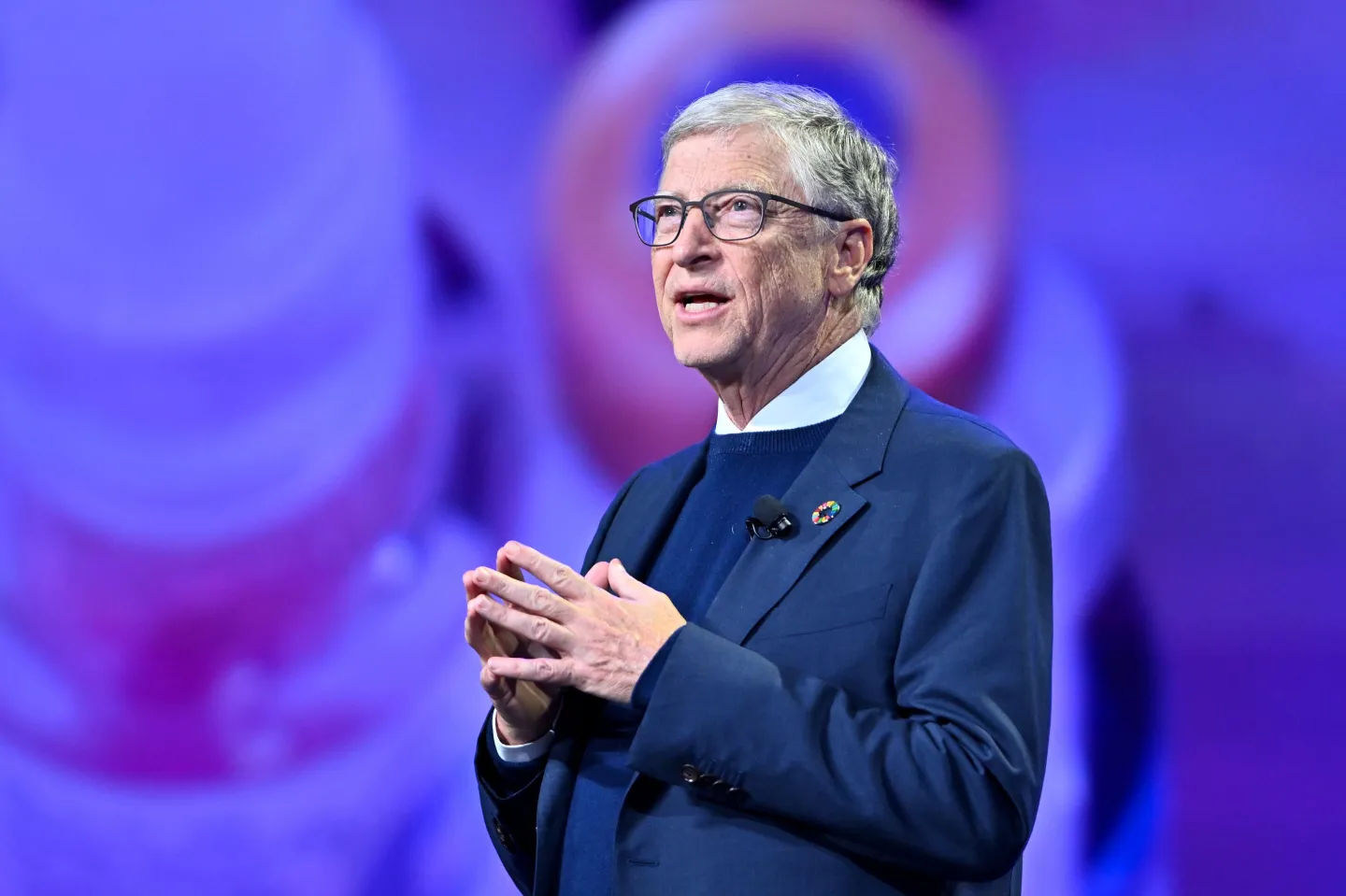
Microsoft co-founder Bill Gates has shared his outlook on artificial intelligence (AI), emphasizing its potential to become one of the most valuable investments of the modern era. According to Gates, AI is not only reshaping industries but also creating opportunities that could rival the economic impact of past technological revolutions, such as the rise of the internet and personal computing.
In his recent remarks, Gates highlighted that AI will continue to expand its role across healthcare, education, agriculture, and https://malaka555.sg-host.com/. He believes the technology is entering a stage where companies that embrace AI will gain significant competitive advantages, while those that resist risk falling behind. This perspective positions AI as both an innovation driver and a critical factor in global economic growth.
Transformative Power Across Industries
Gates underlined that the adoption of AI will accelerate transformative changes in key sectors. In healthcare, AI-powered diagnostic tools and personalized treatment plans are already improving outcomes for patients. Education is another area where AI can deliver significant benefits by offering personalized learning pathways and bridging gaps in access to quality instruction.
In agriculture, AI-driven solutions are being used to monitor crop health, optimize irrigation, and predict yields, helping farmers adapt to climate change and increasing demand for food. Finance, too, is experiencing a shift, with AI streamlining fraud detection, risk assessment, and customer service through intelligent chatbots.
Gates believes these advancements will not only increase efficiency but also open new opportunities for businesses and investors. He stresses that the key to success will be building ethical, transparent, and responsible AI systems to ensure long-term trust and stability.
Investment Opportunities in AI
From an investment perspective, Gates suggests that AI will become a cornerstone of future portfolios. He points to the rise of startups and established companies that are embedding AI into their products and services, predicting that many will become leaders in the global economy.
Venture capital firms and institutional investors are already pouring billions into AI research and development, betting on its potential to deliver transformative returns. Gates compares today’s AI investment climate to the early days of the internet boom, noting that those who identified promising opportunities early reaped the greatest rewards.
He also warns, however, that not all AI ventures will succeed. As with any disruptive technology, there will be winners and losers. Investors must carefully evaluate companies’ ability to innovate responsibly, scale effectively, and navigate regulatory challenges.
Ethical and Societal Considerations
While Gates is optimistic about AI’s potential, he also acknowledges the challenges that come with it. The widespread adoption of AI raises concerns about job displacement, data privacy, and ethical use. Gates emphasizes that governments, businesses, and educators must work together to prepare the workforce for new roles and responsibilities in an AI-driven economy.
He also stresses the importance of regulation to prevent misuse of the technology, particularly in areas like surveillance, misinformation, and autonomous weapons. According to Gates, ensuring that AI serves humanity’s best interests will be crucial to unlocking its full potential as a valuable long-term investment.
Gates concludes that AI is not merely a technological trend but a foundational shift in the global economy. For investors, innovators, and policymakers alike, the message is clear: artificial intelligence represents both an opportunity and a responsibility that will shape the future of business, society, and innovation.